From Fixed Stops to Flexible Journeys: The Rise of Paratransit Routing Software

Imagine a city teeming with life, yet riddled with invisible barriers for individuals with disabilities or limited mobility. The bustling buses and train stations, so easily navigated by some, become obstacles for others. Navigating the concrete jungle can be a daily dance with inflexible routes, frustrating wait times, and a lingering sense of exclusion. But a light shines through the urban haze: paratransit routing software is transforming the way cities move, paving the way for a more inclusive and equitable future.
This transformative technology shatters the confines of pre-defined schedules and rigid routines. Gone are the days of static maps and one-size-fits-all routes that ignore wheelchair accessibility or dynamic traffic conditions. Instead, paratransit routing software paints a dynamic picture, crafted in real-time with individual needs at the forefront:
Real-time route optimization: Algorithms become skilled artists, weaving efficient journeys that weave through live traffic updates, factoring in rider pick-up and drop-off locations, and even accommodating specific accessibility requirements. Forget about inflexible timetables; wait times shrink, journeys become stress-free, and satisfaction soars.
Empowering customization: No two needs are the same. This software allows riders to be the conductors of their own journeys. Specify preferred pick-up times, choose desired equipment for wheelchairs or ramps, and even book shared trips with others heading in the same direction, fostering a sense of community and cost-effectiveness.
Enhanced accessibility: From intuitive booking interfaces for visually impaired users to real-time updates on vehicle locations and estimated arrival times, Paratransit software breaks down barriers and promotes inclusivity. This technology not only removes obstacles but also fosters a sense of confidence and autonomy for everyone.
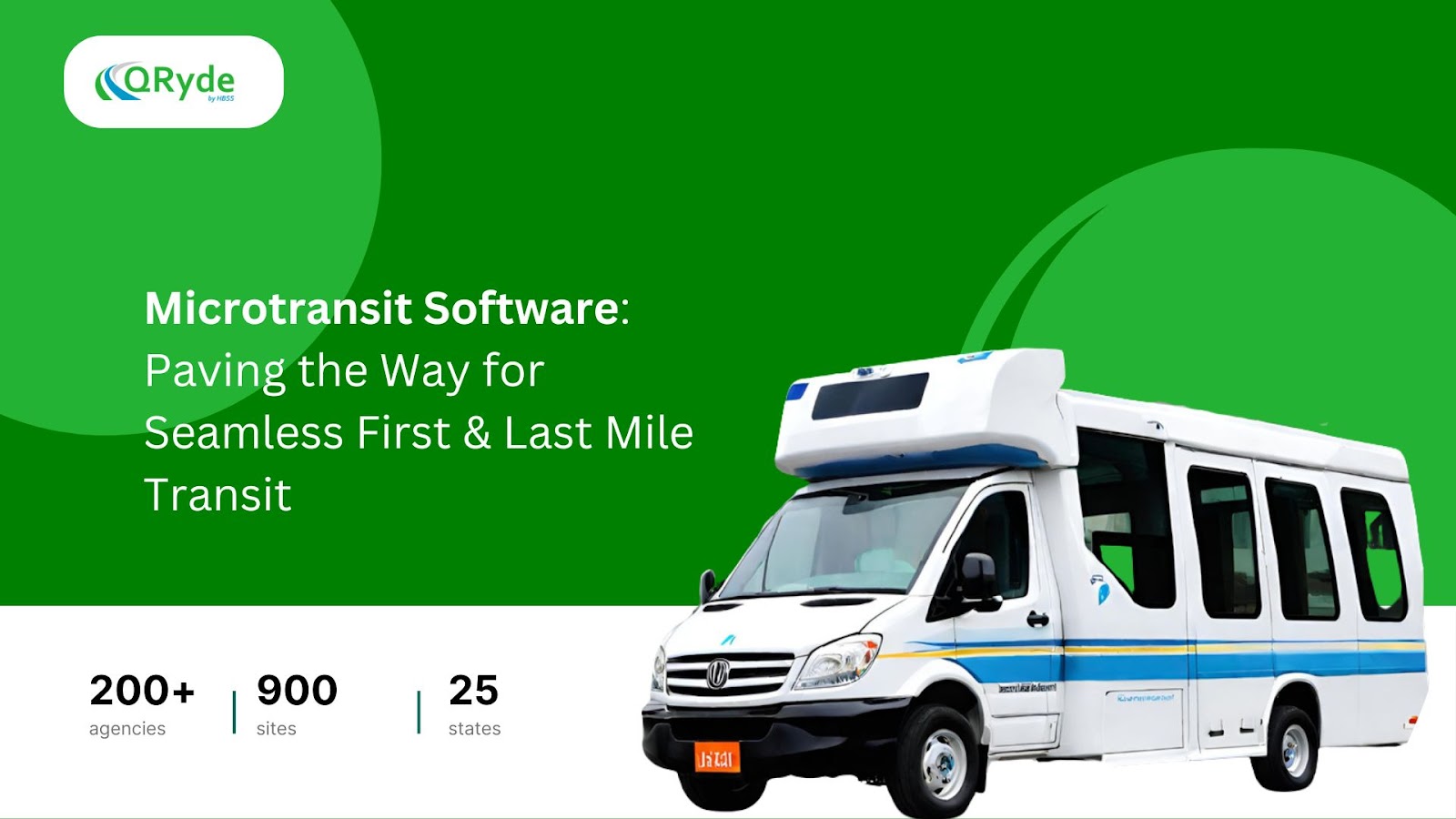
But the revolution doesn't stop at paratransit. This same technology fuels the rise of microtransit, offering on-demand, shared transportation solutions for all. Imagine:
Bridging the first-mile/last-mile gap: Connecting commuters to train stations or filling public transit deserts in underserved communities, ensuring everyone can reach their destination seamlessly.
Providing flexible options in rural areas: Offering on-demand shuttles or shared rides where traditional public transportation is scarce, ensuring everyone has access to the opportunities the city offers.
Reducing congestion and environmental impact: Taking cars off the streets by optimizing shared trips and promoting efficient vehicle utilization, creating a more sustainable and harmonious urban environment.
And at the forefront of this movement stands QRyde, a name synonymous with transformative transportation solutions. Their suite of software, including the Global Scheduling Engine (GSE) and Dispatch 360, empowers both independent transportation companies and government transit systems to:
Optimize operations: Reduce vehicle miles driven, fuel costs, and operational expenses, enhancing resource utilization and ensuring sustainability.
Explore new markets: Reach previously underserved communities and expand their service area, fostering inclusivity and providing access to essential services.
Compete with app-based technologies: Deliver user-friendly booking experiences and dynamic trip management, keeping pace with the ever-evolving technological landscape.
Enhance inclusivity: Cater to diverse needs with accessible booking tools, flexible routes, and real-time updates, ensuring everyone feels welcome and empowered.
QRyde's impact extends far beyond convenience. Their partnership with the Gila River Indian Community in Arizona transformed inaccessible routes into efficient journeys, increasing service coverage and granting residents greater independence. In Boston, QRyde's microtransit network connected commuters to train stations, reducing traffic congestion and boosting ridership for public transportation, making the city accessible to all.
The societal implications are profound. Paratransit and microtransit software empower individuals with disabilities and limited mobility, granting them independence and access to opportunities, paving the way for a more equitable urban landscape. Communities benefit from reduced congestion, improved accessibility, and a more inclusive transportation network, transforming the urban fabric into a harmonious tapestry woven with equal threads of mobility.
This is not just a technological leap; it's a societal shift. Paratransit and microtransit software are reshaping the urban landscape, brick by digital brick. They are weaving a new narrative, one where mobility is not a privilege, but a right – a narrative where everyone can navigate their own city with confidence and ease. And QRyde, with its innovative solutions and commitment to inclusivity, is leading the charge towards a more accessible and vibrant future for all.
Ready to join the ride? Contact QRyde today and discover how their software can empower your community and redefine the urban landscape for all.


Comments
Post a Comment