Paratransit Software: Tailoring Public Transportation to Community Needs through Microtransit Solutions
In today’s rapidly evolving urban landscape, the need for flexible, efficient, and accessible transportation options has never been more pressing. Traditional public transportation systems, while essential, often struggle to meet the diverse needs of communities, particularly in underserved areas. Enter microtransit software—a transformative solution that tailors public transportation to the specific needs of a community, ensuring that everyone, regardless of their location or circumstances, has access to reliable transit options. This article delves into the role of microtransit software, how it integrates with paratransit software, and its impact on public transportation, paratransit scheduling, and Non-Emergency Medical Transportation (NEMT) services.
The Role of Microtransit Software in Public Transportation
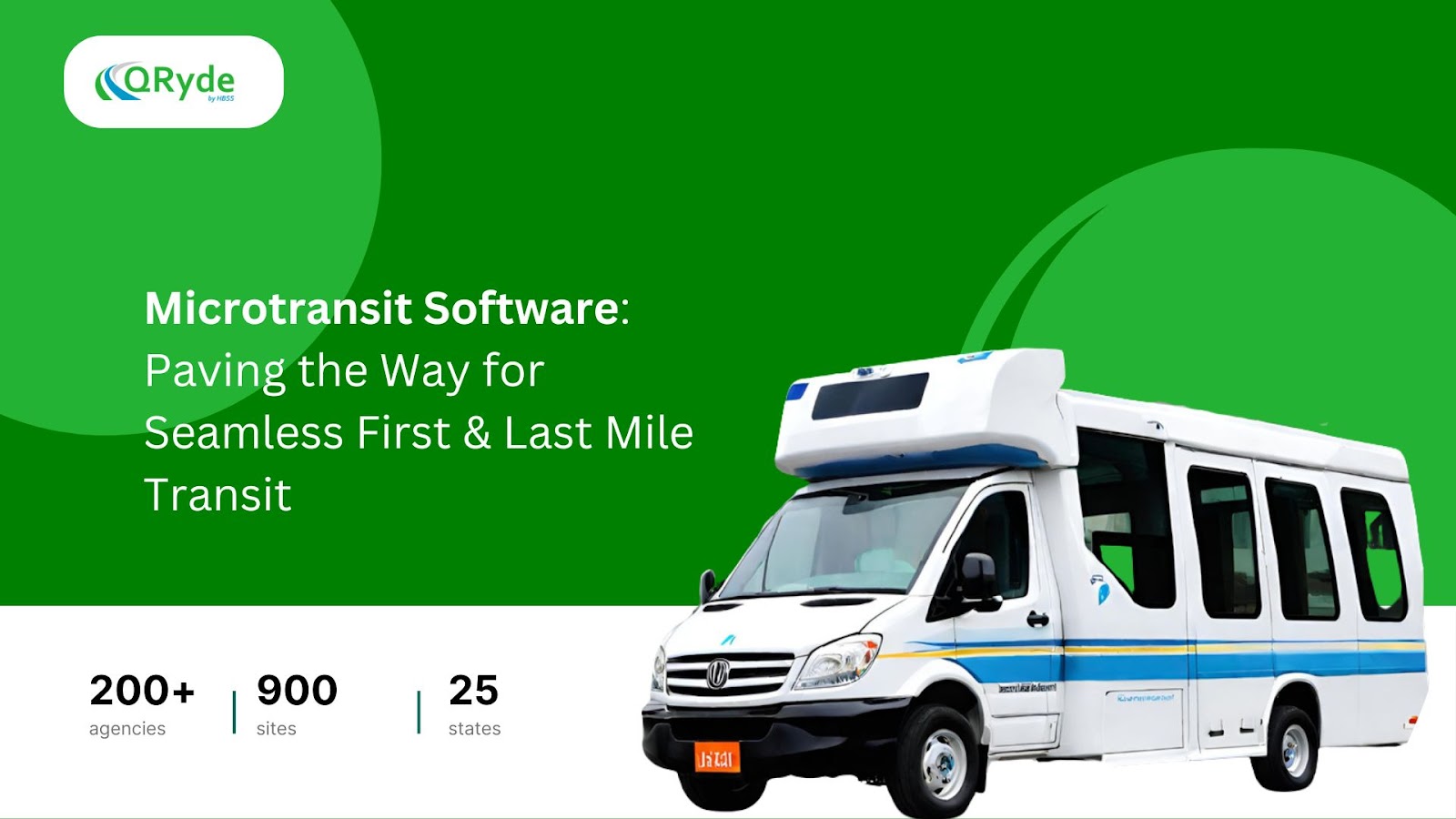
Microtransit software represents a significant shift in how public transportation is conceived and delivered. Unlike traditional fixed-route bus systems, which follow predetermined paths and schedules, microtransit solutions are dynamic. They leverage advanced algorithms and real-time data to create on-demand, flexible routes that adapt to the needs of passengers. This capability is particularly crucial in areas where public transportation options are limited or where traditional services do not adequately meet the demands of the population.
Microtransit software allows for the customization of routes based on real-time demand, providing a more responsive service that can operate in areas underserved by conventional public transportation. This flexibility is essential for tailoring transit solutions to the unique needs of different communities, from urban centers to rural areas.
Integration with Paratransit Software
A key component of the microtransit ecosystem is its integration with paratransit software. Paratransit services are designed to provide transportation for individuals who, due to disabilities or other factors, cannot use standard public transit systems. Traditionally, these services have been separate from mainstream public transportation, operating under different schedules and systems.
By integrating microtransit and paratransit software, transportation providers can create a seamless experience for all users. This integration allows for the coordination of services, ensuring that paratransit vehicles are used more efficiently and that all passengers, including those with special needs, have access to timely and reliable transportation. The synergy between microtransit and paratransit scheduling software helps reduce operational costs, improve service delivery, and ensure that no one is left behind.
Tailoring Public Transportation with Paratransit Scheduling Software
Paratransit scheduling software plays a crucial role in tailoring public transportation to meet the needs of specific communities. This software allows for the precise scheduling of paratransit services, ensuring that vehicles are dispatched efficiently and that passengers are picked up and dropped off on time. When combined with microtransit software, paratransit scheduling becomes even more effective.
For example, in a community with a high population of elderly residents, the scheduling software can prioritize routes that serve medical facilities, grocery stores, and other essential services. By tailoring the transportation options to the specific needs of the community, microtransit and paratransit services can work together to provide a more inclusive and effective transit solution.
Enhancing Public Transportation Software with Microtransit Solutions
Public transportation software traditionally manages large-scale transit operations, such as city buses, subways, and light rail systems. However, integrating microtransit solutions into these systems offers significant advantages. Microtransit can serve as a feeder system, connecting passengers from their homes to main transit hubs or directly to their destinations in areas where traditional services are insufficient.
By incorporating microtransit into public transportation software, cities can create a more cohesive and flexible transit network. This integration ensures that public transportation is more responsive to the actual needs of the community, rather than forcing passengers to adapt to rigid schedules and routes. The result is a more efficient use of resources, reduced wait times for passengers, and better overall service.
The Role of NEMT Fleet Providers in Community-Focused Transportation
Non-Emergency Medical Transportation (NEMT) fleet providers are essential partners in the microtransit and paratransit ecosystem. NEMT services are designed to transport patients to medical appointments, treatments, and other healthcare services that are not emergencies but are critical for ongoing care.
By integrating NEMT fleet providers into the broader transportation network through microtransit and paratransit software, communities can ensure that healthcare access is available to all residents, regardless of their mobility or location. This integration is particularly important in rural areas or underserved urban neighborhoods where public transportation options are limited.
NEMT fleet providers can use microtransit software to optimize routes, reduce travel times, and ensure that patients arrive at their appointments on time. This not only improves patient outcomes but also reduces the overall cost of healthcare by minimizing missed appointments and delays in treatment.
The Future of Tailored Public Transportation
The integration of microtransit software with paratransit scheduling software, public transportation software, and NEMT fleet providers represents the future of tailored public transportation. As technology continues to advance, these systems will become even more sophisticated, allowing for greater customization and efficiency in transit services.
In the coming years, we can expect to see microtransit software play an increasingly central role in public transportation, particularly as cities and communities seek to create more inclusive and accessible transit networks. By tailoring transportation options to the specific needs of different communities, microtransit and paratransit solutions will ensure that everyone has access to the mobility they need to thrive.
Conclusion
Microtransit software is revolutionizing public transportation by tailoring services to meet the unique needs of communities. By integrating with paratransit software, paratransit scheduling software, public transportation software, and NEMT fleet providers, microtransit solutions offer a flexible, efficient, and inclusive transit network. As these technologies continue to evolve, they will play an increasingly important role in creating transportation systems that are not only more responsive to the needs of passengers but also more equitable and accessible for all.


Comments
Post a Comment