Beyond the Bus Stop: QRyde Software Makes Microtransit Viable for Rural Communities

For many residing in rural communities, traditional public transportation options like fixed-route buses often fall short. Sparsely populated areas can pose logistical challenges for traditional systems, leaving residents with limited mobility options and hindering their access to essential services, employment opportunities, and social activities. However, Microtransit software, a flexible and on-demand form of public transportation, is emerging as a game-changer, and innovative software solutions like QRyde are making it a reality for rural communities.
The Transportation Gap in Rural America:
Rural communities face unique and significant challenges when it comes to public transportation:
Limited Service Coverage: Fixed-route buses often don't reach all areas within a rural county, leaving residents in outlying areas without reliable transportation options.
Infrequent Schedules: Even when buses are available, infrequent schedules can create long wait times and limit opportunities for spontaneous trips.
First-Mile/Last-Mile Challenges: Distances between residences and bus stops can be significant, leaving residents with the additional hurdle of walking or finding alternative transportation to reach the bus stop.
Microtransit: A Tailored Solution for Rural Needs
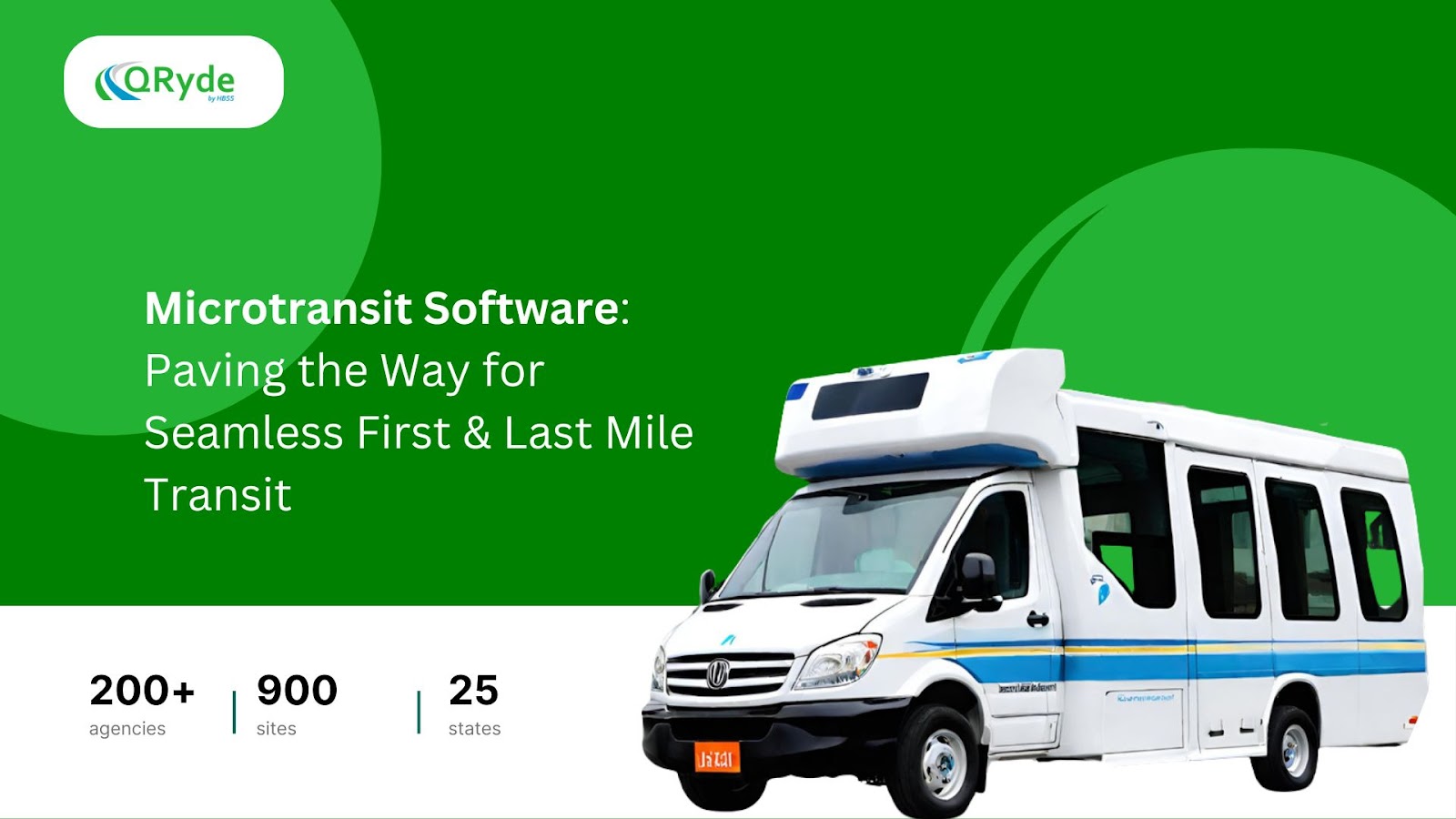
Microtransit offers a solution to these challenges. It utilizes smaller vehicles like vans or shuttles to provide on-demand or scheduled rides within designated service areas. Passengers typically book trips via mobile apps, allowing for greater flexibility and convenience compared to fixed-route systems.
QRyde Software: Empowering Rural Microtransit
While microtransit offers immense potential, realizing this potential in rural areas requires innovative software solutions. QRyde's software addresses the specific needs of rural communities by offering a suite of features that streamline operations, optimize resource allocation, and enhance rider experience:
Dynamic Route Planning: QRyde's software utilizes sophisticated algorithms to create dynamic routes that consider real-time demand, weather conditions, and road closures. This ensures efficient service delivery and reduces travel times for riders, even in sparsely populated areas.
Demand-Responsive Scheduling: The software allows passengers to book rides on-demand, eliminating the need for adherence to rigid schedules. This flexibility empowers individuals to access transportation when they need it most, regardless of predetermined bus stop locations.
Mobile App Integration: QRyde's user-friendly mobile app enables passengers to easily book trips, track rides in real-time, and receive updates on arrival times. This transparency and convenience are crucial for enhancing the rider experience in rural areas.
Data-Driven Insights: The software generates comprehensive reports on ridership patterns, service utilization, and operational metrics. This valuable data allows rural transit agencies to identify areas for improvement, optimize resource allocation, and tailor service expansion based on actual demand.
Integration with NEMT Fleet Management: Rural communities often have a higher proportion of residents who rely on Paratransit software services. QRyde software can integrate with NEMT fleet management systems, creating a seamless network that caters to all individuals with mobility limitations.
The Ripple Effect: Benefits Beyond Mobility
The implementation of microtransit software with QRyde's solutions goes beyond facilitating transportation. It creates a ripple effect that benefits rural communities in several ways:
Economic Development: Improved access to jobs, training opportunities, and business centers can contribute to economic growth in rural areas.
Social Inclusion: Reliable transportation empowers individuals with disabilities and elderly residents to participate in social activities and connect with their communities.
Healthcare Access: Microtransit can bridge the gap between rural residents and essential medical services, improving overall health outcomes.
Environmental Sustainability: Utilizing smaller vehicles and optimizing routes can contribute to reducing emissions and promoting a more sustainable transportation network in rural settings.
Rural Community Success Story
A rural community in the United states, struggling with limited public transportation options. With the help of QRyde's software launched a microtransit pilot program. The program offered on-demand rides within a designated service area, catering to residents in outlying areas and those with limited mobility. Utilizing data insights from QRyde's software, the program was able to identify high-demand zones and adjust routes for optimal efficiency. Within a year, ridership increased by percentage, demonstrating the positive impact on the community.
Conclusion: Building a More Connected Rural Future
Microtransit, enabled by innovative software like QRyde, offers a promising solution for bridging the transportation gap in rural communities. By offering flexibility, accessibility, and data-driven decision making, QRyde empowers rural communities to build a more connected future where all residents have access to essential services and opportunities for a better quality of life.


Comments
Post a Comment