Riding the Wave of Innovation: Exploring the Latest Features of Microtransit Software

The way we navigate our cities is rapidly changing. Traditional fixed-route public transportation systems, while essential, often struggle to meet the dynamic needs of modern urban life. Microtransit, a demand-responsive form of public transportation, has emerged as a game-changer, offering a more flexible and personalized solution. However, to truly reach its full potential, microtransit relies on innovative software solutions that empower both riders and agencies. Let's delve into the cutting-edge features that are shaping the future of microtransit software, exploring what both riders and agencies can expect.
Understanding Microtransit: A Personalized Approach to Public Transportation
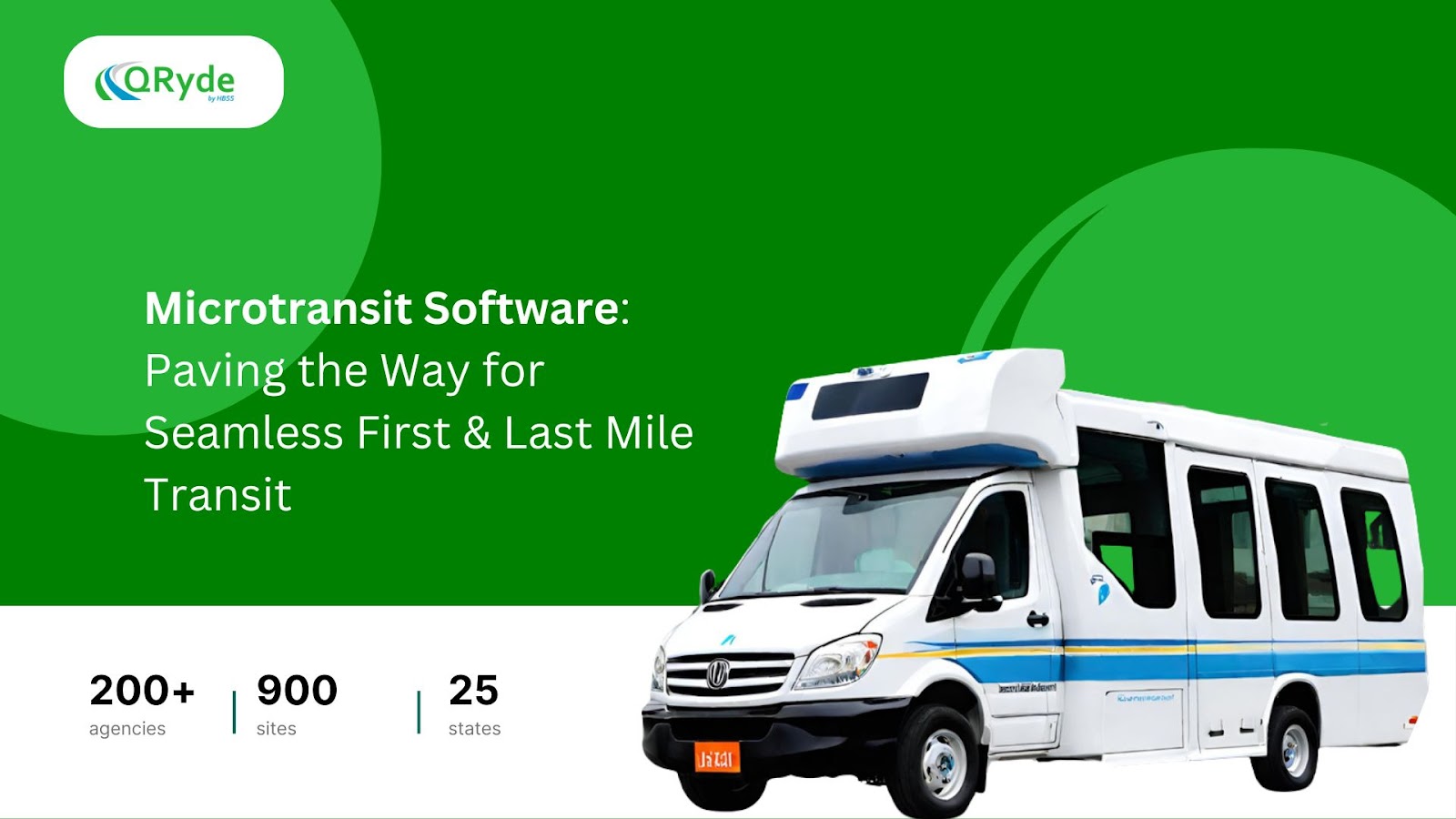
Microtransit describes a flexible public transportation system that utilizes smaller vehicles like vans or shuttles to provide on-demand or scheduled rides within designated service areas. Think of it as a bridge between ride-hailing services and traditional public buses.
Challenges Faced by Microtransit Systems:
Despite its potential, microtransit systems can face certain hurdles without the right software support:
Limited Operational Efficiency: Manually managing on-demand requests, routing vehicles, and ensuring optimal service delivery can be complex and labor-intensive.
Data Silos and Lack of Insights: Manual processes often hinder the collection and analysis of valuable data on ridership patterns, leading to difficulties in improving service and optimizing resource allocation.
Limited Accessibility Features: Integrating microtransit seamlessly with other public transportation services, particularly for individuals with disabilities, can be difficult without proper software support.
Microtransit Software: A Suite of Tools for a Smooth Ride
Microtransit software tackles these challenges head-on by providing a comprehensive suite of features that streamline operations, enhance rider experiences, and empower data-driven decision-making. Here's what riders and agencies can expect:
For Riders:
Seamless Booking and Real-Time Tracking: Mobile app integration allows for easy trip booking, real-time ride tracking, and estimated arrival times. This ensures transparency and empowers riders to plan their journeys efficiently.
Flexible Payment Options: Microtransit software often integrates various payment options, including contactless payments and integration with existing public transit fare systems, offering a convenient and hassle-free experience.
Personalized Routing and Dynamic Pricing: Advanced algorithms can personalize routing based on real-time traffic, passenger demand, and individual preferences. Furthermore, dynamic pricing models based on demand can be implemented, ensuring fair pricing while optimizing resource allocation.
Enhanced Accessibility Features: The software can integrate with accessibility features in vehicles, aiding with boarding and disembarking processes. Additionally, features like trip chaining allow for multiple pickups and drop-offs, catering to diverse passenger needs. Integration with Paratransit software can further facilitate seamless connections for riders with disabilities.
For Agencies:
Automated Scheduling and Dispatch: Microtransit software utilizes sophisticated algorithms to create dynamic schedules and dispatch vehicles based on real-time demand, route optimization, and driver availability. This leads to greater efficiency, reduced wait times, and optimized vehicle utilization.
Data-Driven Insights and Reporting: The software generates detailed reports on ridership patterns, service utilization, and operational metrics. These insights empower agencies to identify areas for improvement, optimize resource allocation, and make informed decisions about service expansion, route adjustments, and fare structures.
Improved First-Mile/Last-Mile Connectivity: Microtransit software can facilitate connections with other public transportation services like buses and trains, bridging the "first-mile/last-mile" gap for riders and ensuring a more holistic approach to urban mobility.
Real-Time Monitoring and Performance Management: Real-time tracking allows agencies to monitor vehicle location, service performance, and adherence to schedules. This promotes operational transparency and allows for timely intervention in case of delays.
Beyond Features: The Ripple Effect of Innovative Microtransit Software
Modern microtransit software creates a ripple effect of benefits that extend beyond the core features:
Increased Ridership and Revenue Generation: A user-friendly experience and efficient service delivery can lead to increased ridership, ultimately generating more revenue for agencies.
Reduced Traffic Congestion: By offering an on-demand and flexible alternative to personal vehicles, microtransit can contribute to reduced traffic congestion and a more sustainable urban environment.
Improved Sustainability: Microtransit can utilize smaller, fuel-efficient vehicles and optimize routing, potentially leading to a lower carbon footprint for public transportation.
The Broader Ecosystem: Integrating Microtransit Software with Other Solutions
For optimal functionality, microtransit software should be part of a broader transportation software ecosystem:
Paratransit Software: Integration ensures seamless connections for individuals with disabilities and facilitates a more inclusive public transportation network.
Public Transportation Software: Integration optimizes operations for fixed-route systems, creating a unified management platform and offering real-time information sharing across different modes of public transportation.
The Future of Microtransit Software: A Vision for Sustainable Urban Mobility
The future of microtransit software is bright, with exciting advancements on the horizon:
AI-Powered Optimization: Artificial intelligence can further refine route planning, predict passenger demand with greater accuracy, and optimize dispatch decisions, ensuring even greater efficiency and personalized service delivery.
Autonomous Vehicle Integration: The integration of autonomous vehicles with microtransit software can revolutionize on-demand transportation, offering a truly driverless, efficient, and accessible service.
Electric Vehicle Integration: Microtransit fleets can transition to electric vehicles, reducing emissions and contributing to a more sustainable urban environment.
Data-Driven Insights for Smart Cities: Microtransit software can generate valuable data on ridership patterns, travel behavior, and urban mobility trends. This data can inform city planning decisions and contribute to the creation of smart, sustainable cities.
Conclusion
Microtransit software is not just a technological advancement; it's a catalyst for a more sustainable, equitable, and efficient transportation landscape. By offering on-demand convenience, accessibility, and data-driven insights, microtransit software empowers cities to meet the evolving needs of residents and create a more livable urban environment. As technology continues to advance, microtransit software will play an increasingly vital role in shaping the future of public transportation.


Comments
Post a Comment