Empowering Suburban Connectivity with Microtransit Software
.png)
The Mobility Problem Outside the City Core
While major cities are investing in subways and light rail, suburban and semi-urban areas often suffer from a lack of accessible and affordable transportation options. Fixed-route buses in these areas are typically underutilized or cost-ineffective to operate. In 2025, microtransit software is providing a scalable solution—delivering on-demand, efficient public transport to the communities that need it most.
What Is Microtransit, and Why Now?
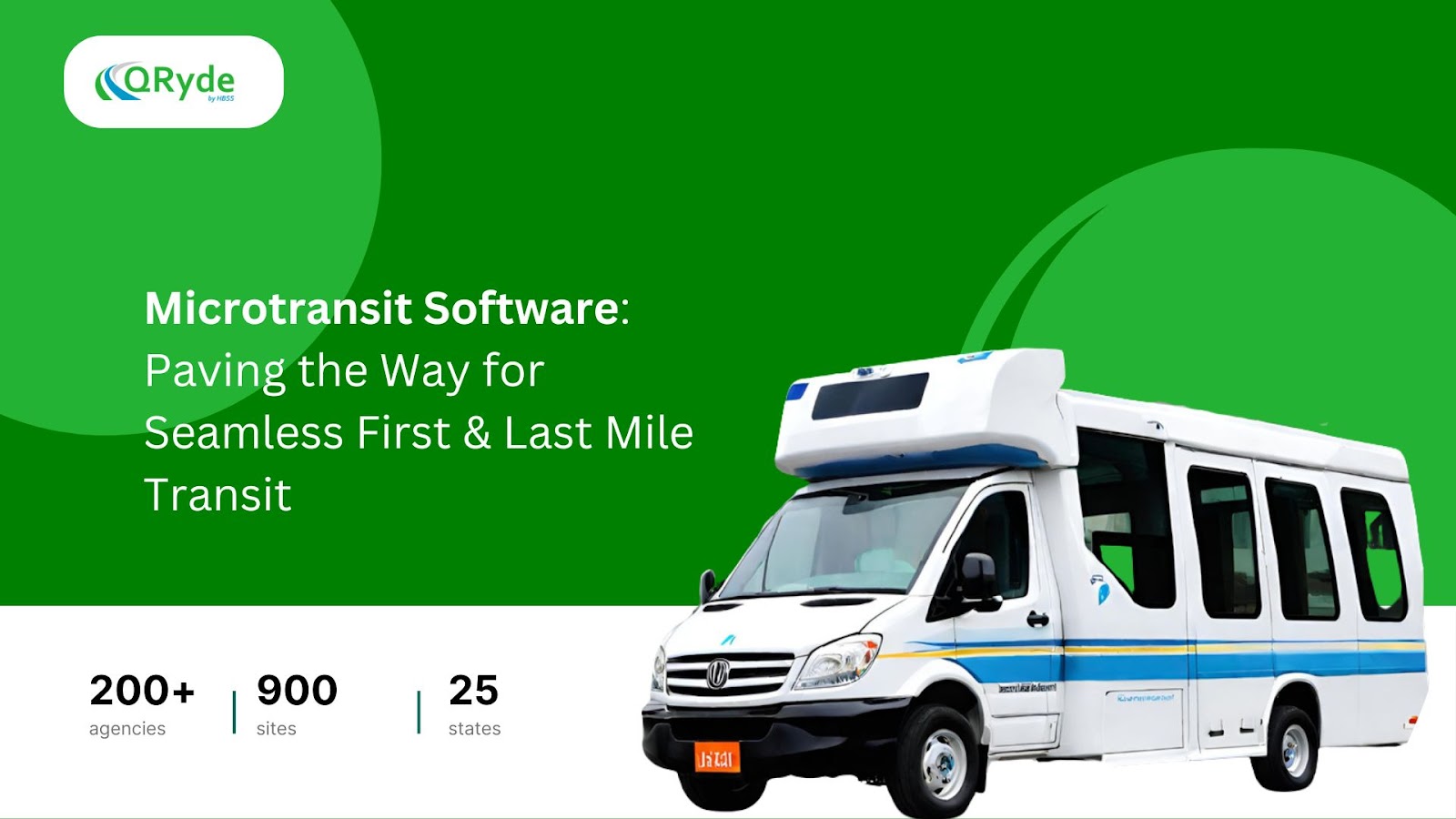
Microtransit refers to shared-ride public transport using small vehicles—usually vans or shuttles—operating dynamically based on real-time demand. With intelligent microtransit software, vehicles don’t follow fixed routes but instead pick up and drop off passengers in optimized, flexible paths.
This dynamic nature makes microtransit ideal for:
Low-density suburbs
Last-mile connectivity from train stations
Night and weekend service extensions
Connecting rural towns to urban transit hubs
Core Features That Enable Smarter Suburban Transit
With leading platforms like Qryde, transit agencies can access:
Real-Time Ride Matching: The software dynamically groups passengers going in similar directions.
Zone-Based Flexibility: Set up geofenced areas where microtransit is available, and expand zones as needed.
Mobile and Call-In Booking: Riders can book via app, website, or call center, improving accessibility.
Integrated Analytics: Evaluate vehicle utilization, trip volume, and rider satisfaction from a central dashboard.
Inclusive Design: Not Just Urban Riders
Unlike ride-hailing apps that often cater to urban users with smartphones and credit cards, Qryde’s microtransit solutions also support:
Phone-based booking for seniors
Cash or voucher payment options
ADA-compliant vehicle routing
This inclusivity ensures equity in transit service, something traditional systems struggle to achieve.
Public Agencies Can Scale Without Massive Investment
Suburban transit expansion usually involves building new infrastructure, which is expensive and time-consuming. But with a cloud-based system like Qryde’s public transportation software, agencies can launch or scale microtransit services in weeks—not years—by simply deploying software on existing fleets or contracted vehicles.
The Path Forward
As suburban populations continue to grow and work-from-home lifestyles shift travel demand, microtransit emerges as a tool for responsive, sustainable, and equitable mobility. With the right technology, public agencies can offer competitive service without breaking the bank.


Comments
Post a Comment