Microtransit Software — Redesigning Urban Mobility for 2025
.png)
Cities today face increasing demands for fast, adaptable, and sustainable transit. Traditional fixed-route buses and rails often struggle with low-density suburbs, off-peak demand, or first/last-mile gaps. Growing in relevance, microtransit software offers public agencies a flexible, efficient solution powered by data and dynamic routing.
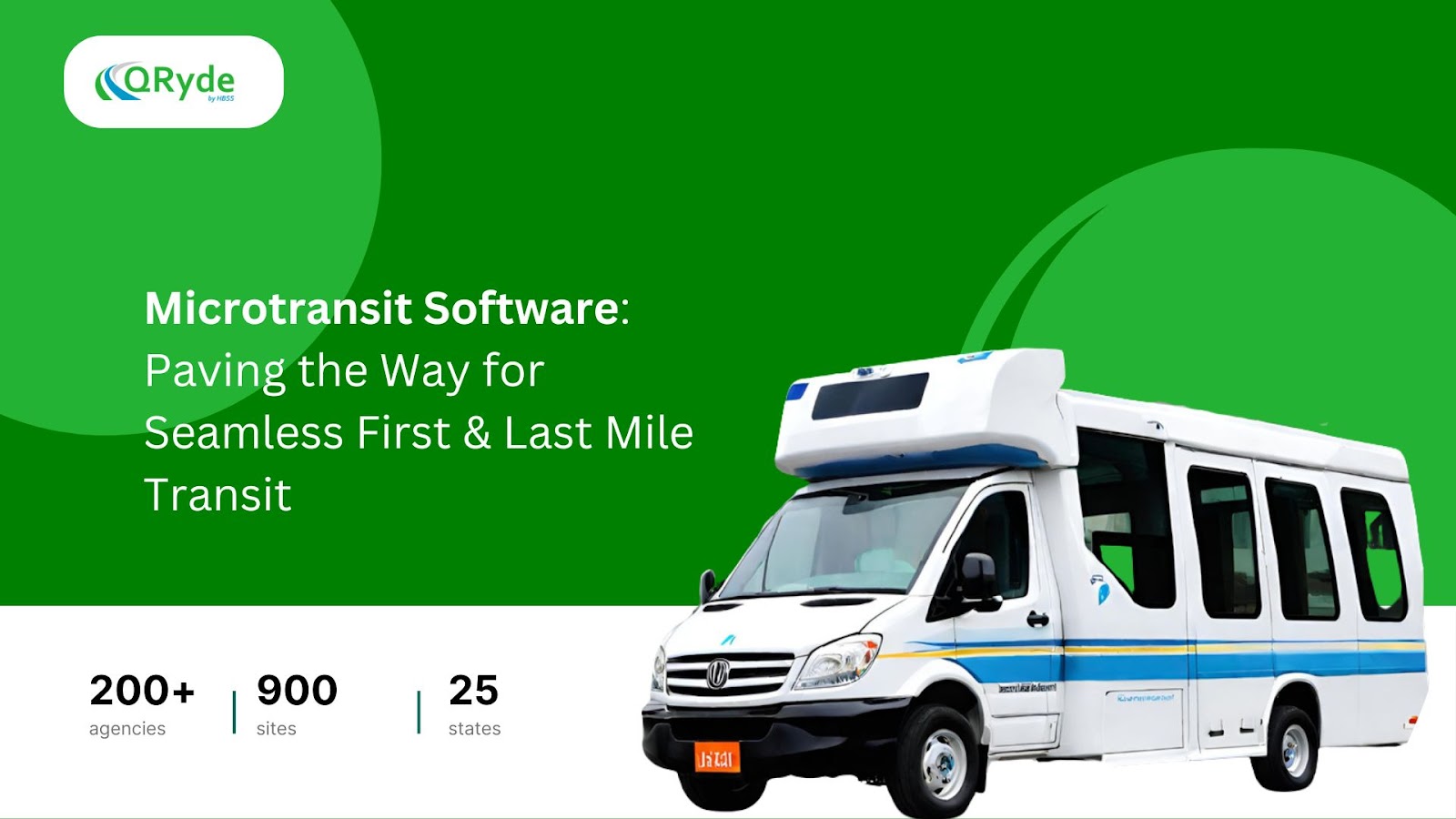
Modern platforms like Qryde’s microtransit software enable transport providers to deploy shared vans or shuttles that adjust routes in real time based on passenger demand. Riders can book via app, web, or call center, while agencies receive precise dashboard insights, allowing them to monitor performance live and respond to demand surges with agility.
🔄 Why Microtransit Is a Game-Changer
Adaptive Routing: The software optimizes pickup and drop-off sequences dynamically, minimizing deadhead miles and improving on-time performance.
Demand-Responsive Service: Passengers no longer wait behind fixed schedules but experience tailored routes that reflect live regional mobility needs.
Cost-Efficient Fleet Utilization: By enabling vehicle redeployment across zones or service types, agencies avoid underused routes and reduce operating costs.
🧩 How Qryde Helps Cities Innovate
Using Qryde’s cloud-based public transportation software, transit planners can integrate microtransit into broader mobility systems—combining real-time zone services with existing buses and rail. The seamless integration improves service equity and minimizes redundancy by utilizing shared vehicles across programs.
Moreover, software dashboards forecast demand, track vehicle utilization, and support continuous performance improvements—essential tools for smart city mobility management.
👤 The Rider Perspective
Riders benefit from a digital-first experience, including ETA notifications, real-time tracking, and accessible booking options. For communities with limited smartphone adoption, call-center or web-based channels ensure inclusivity. SMS or app notifications confirm bookings and updates, reducing confusion and missed pickups during periods of high demand.
♻️ Sustainability & Scalability
Microtransit supports eco-conscious goals through dynamic dispatching and integration with electric or hybrid fleets. Qryde enables agencies to set low-emission operating standards while reducing congestion and promoting shared mobility. Because the system is cloud-hosted, expansion is seamless—agencies can start small and scale up without infrastructure overhaul.
📈 Key Takeaways
Flexibility is the defining value: microtransit adapts as ridership patterns change.
Integration is seamless: the system plays well with fixed-route and paratransit systems.
Inclusion matters: digital tools plus phone options ensure access for all.
Sustainability is embedded: reduced mileage and EV support align with climate goals.
Cities that adopt smart microtransit systems can not only serve more residents but do so more sustainably and equitably.
To explore how Qryde can transform your mobility ecosystem, visit Qryde.com for details or request a demo.


Comments
Post a Comment