Redesigning Transit for Flexibility: The Rise of Microtransit Software in 2025

Public transportation is no longer a “one-size-fits-all” system. In 2025, cities and transit authorities are adopting flexible mobility solutions that go beyond the constraints of traditional fixed routes. At the heart of this evolution lies microtransit software—technology designed to offer on-demand, efficient, and rider-friendly transportation across diverse urban and rural landscapes.
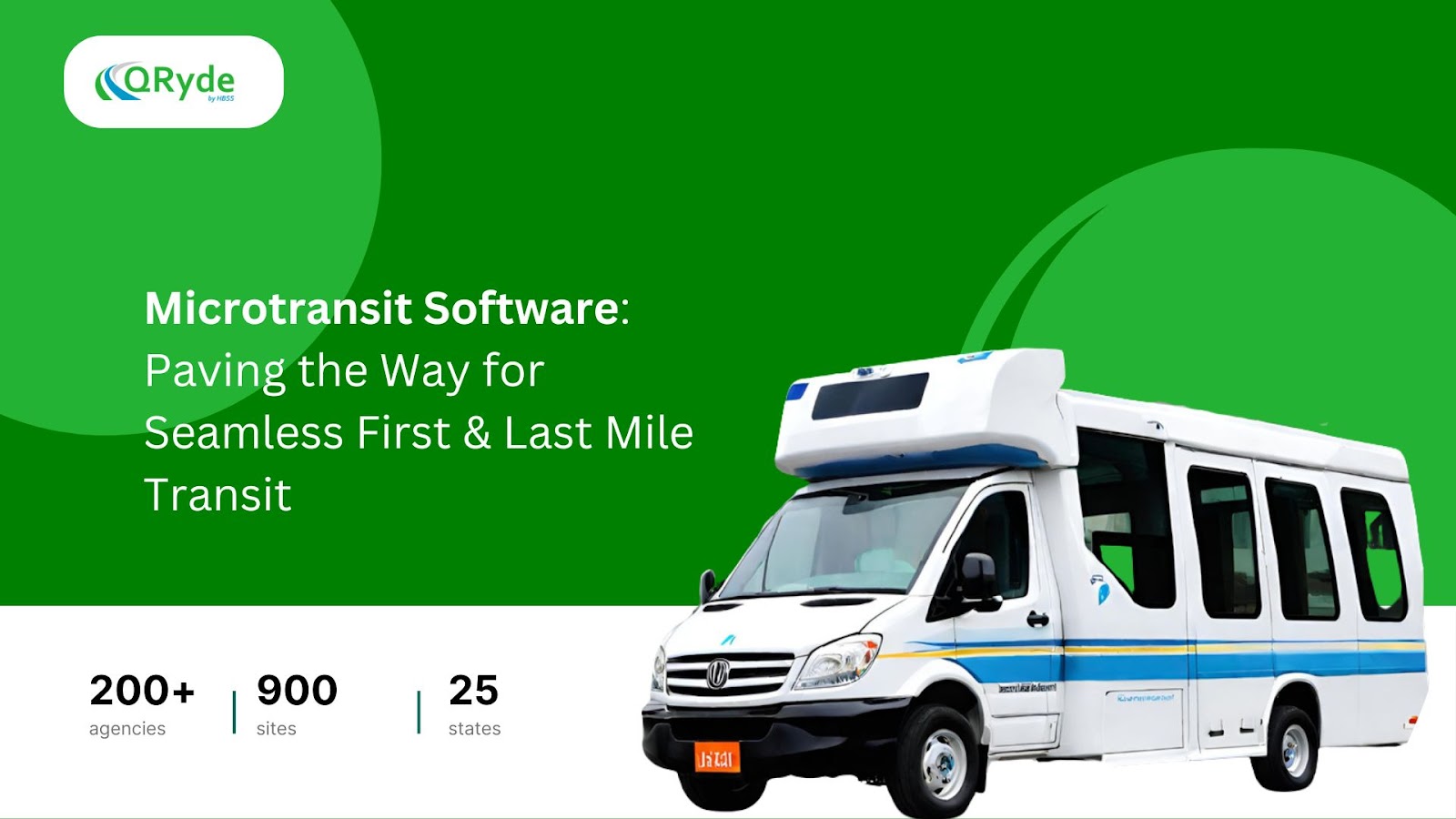
Among the most trusted solutions powering this shift is Qryde’s Microtransit Software, a dynamic, cloud-based platform enabling transit agencies to rethink how mobility is delivered.
🚦 What Is Microtransit and Why Is It Needed?
Microtransit refers to a form of demand-responsive transportation that operates with smaller vehicles—such as vans or shuttles—and uses software to dynamically route and schedule rides based on real-time demand. It blends the flexibility of ride-hailing services with the affordability and mission of public transit.
In a world where work schedules, urban sprawl, and transportation deserts challenge legacy systems, microtransit is closing the gap. It provides:
Same-day or on-demand rides
Curb-to-curb service in service zones
Shared rides that reduce operational cost
Multimodal connectivity to existing bus/train lines
🧠 Intelligent, Real-Time Service Optimization
At the core of Qryde’s microtransit solution is an AI-powered engine that makes thousands of decisions every hour—grouping riders, adjusting pick-ups, and optimizing vehicle routing to improve efficiency.
Transit agencies benefit from:
Real-time dispatch tools with smart reassignments
Centralized dashboards for full system visibility
Geo-fenced service zones that can be expanded or adjusted instantly
Cloud-based updates with no downtime
This level of control allows operators to adapt instantly to changing ridership patterns, weather events, or staffing issues.
📱 Rider Experience at the Center
Qryde doesn’t just modernize the backend—it transforms how riders engage with transit.
Passengers can:
Book rides via app, web, or call center
Get real-time updates on ETAs and driver location
Rate their experience and report issues instantly
Receive automated ride reminders and alerts
For seniors, people with disabilities, and digitally underserved communities, the platform offers user-friendly alternatives like phone-based booking and multilingual options. Microtransit isn’t just about flexibility—it’s about inclusion.
♻️ Supporting Sustainability Goals
One major advantage of microtransit software is its alignment with environmental and urban planning strategies. By replacing underperforming fixed routes with dynamic micro-shuttles, cities can reduce emissions, fuel use, and roadway congestion.
Qryde supports:
Integration with electric vehicles
Vehicle pooling to reduce empty miles
Data insights on emissions savings and trip efficiency
Route adjustments based on traffic and carbon impact
As more agencies work toward carbon neutrality, Qryde’s system empowers them to make sustainability measurable and actionable.
🧩 Seamless Integration with Existing Transit
One of Qryde’s standout strengths is its ability to integrate with broader transportation ecosystems. Its platform works in tandem with public transportation software, enabling fixed-route buses, paratransit services, and microtransit to operate on a unified system.
This enables:
Multi-modal route planning
Shared fleet usage between departments
Data-rich reporting across all service types
Cost-sharing across ADA and general public trips
It also allows agencies to easily incorporate or expand paratransit or NEMT fleet operations under one scalable umbrella.
🔧 Easy Rollout and Low Infrastructure Burden
Qryde’s microtransit system is built to be fast, flexible, and low-cost to deploy. Agencies don’t need to invest in new hardware or massive IT infrastructure. Everything is:
Cloud-hosted and device-agnostic
Customizable by zone, schedule, or vehicle type
Supported by Qryde’s implementation and training teams
From small rural pilots to city-wide programs, agencies can start small and scale up without changing platforms.
📊 Insightful Data & Reporting
Every trip, route, and rider generates valuable data that can be used for:
Funding justification and grants
Planning new service zones
Understanding demand hotspots
Improving rider equity and satisfaction
Qryde’s dashboard transforms that data into clear, actionable insights that help transportation leaders make smarter decisions.
🌍 Bringing Microtransit to More People in 2025
As cities continue to grow and change, the demand for responsive, digital-first transportation solutions will only rise. Microtransit software like Qryde’s isn’t just a trend—it’s a transformative tool for agencies that want to move with their communities.
Whether serving urban job hubs, suburban neighborhoods, or rural townships, Qryde makes it possible to provide real service, in real time, to real people.
Learn more about how Qryde is helping build the next generation of public transit at Qryde.com.


Comments
Post a Comment