Transforming Mobility: How Paratransit Software and Microtransit Software Are Shaping the Future of Public Transportation
In today’s fast-changing world of urban and community mobility, technology has become the foundation of efficient, inclusive, and sustainable transportation. Among the most significant advancements are paratransit software and microtransit software—two innovative solutions revolutionizing how transit agencies, cities, and private operators deliver accessible and on-demand mobility. These smart systems not only enhance operational efficiency but also improve the rider experience, reduce costs, and strengthen the connection between communities and their transportation networks.
Understanding Paratransit and Microtransit
Before diving deeper, it’s essential to understand what paratransit and microtransit mean in practice.
Paratransit services cater primarily to individuals with disabilities or mobility challenges who cannot use traditional fixed-route public transit. These services must balance personalized scheduling, accessibility compliance, and cost-effectiveness—tasks made easier with the help of paratransit scheduling software.
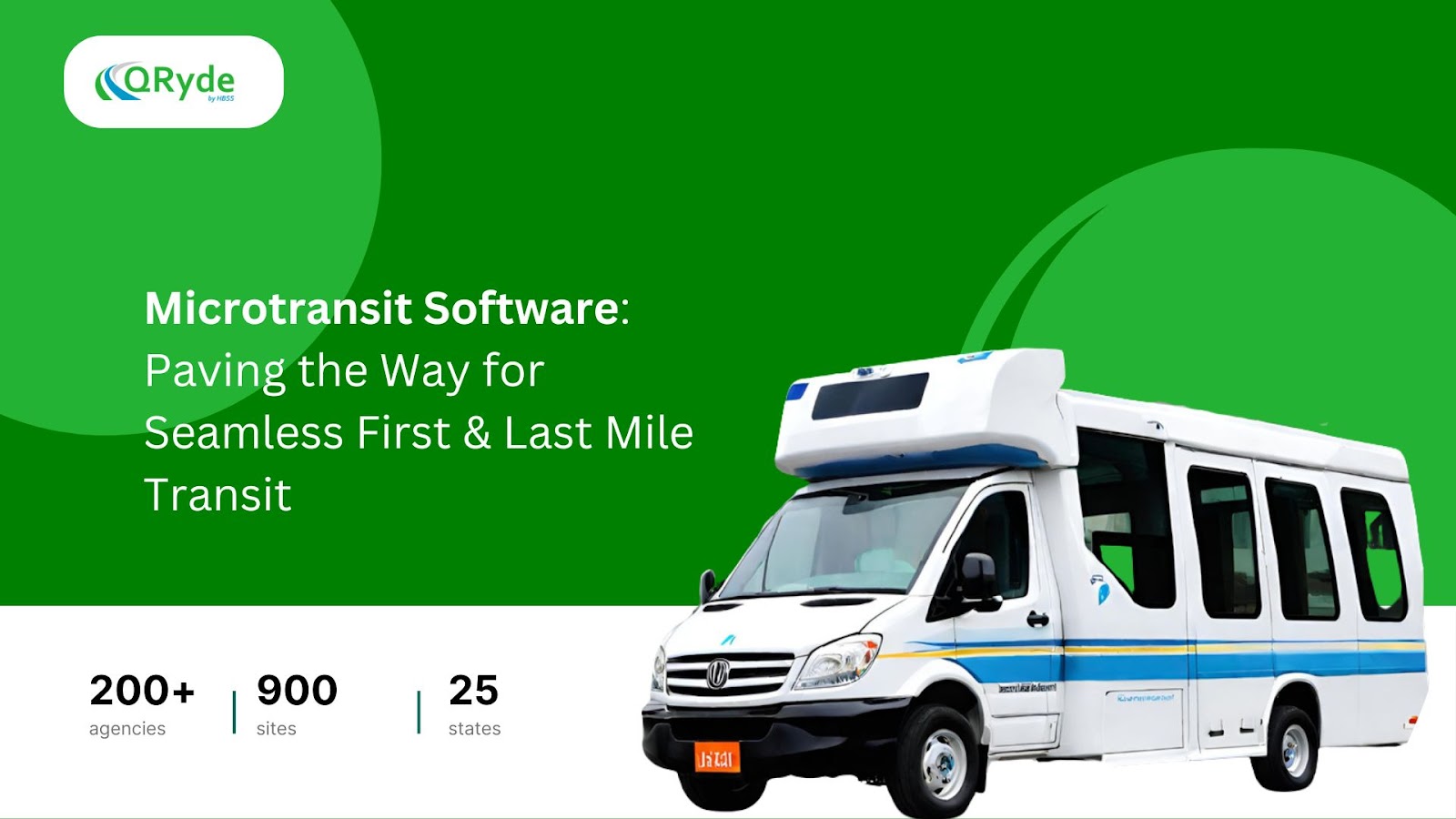
Microtransit, on the other hand, is a flexible, tech-driven alternative to traditional bus routes. It operates on-demand or within defined service zones, using smaller vehicles that can adjust routes in real-time based on passenger needs. With microtransit software, agencies can dynamically plan routes, optimize vehicle utilization, and provide seamless door-to-door or corner-to-corner rides.
Together, these systems form a powerful mobility ecosystem that bridges the gap between fixed-route public transit and private ridesharing—bringing the best of both worlds into one cohesive platform.
The Power of Paratransit Software: Enhancing Accessibility
Paratransit software plays a crucial role in making transportation equitable for everyone. It automates scheduling, dispatching, and routing to ensure vehicles arrive on time while maximizing capacity and reducing empty miles. For riders, this means less waiting and more reliability. For transit agencies, it means smarter resource allocation and compliance with ADA (Americans with Disabilities Act) standards.
Key features often include:
Automated trip scheduling and optimization: Reducing manual work and human error.
Real-time vehicle tracking: Enabling riders and dispatchers to see vehicle locations and ETAs.
Rider communication tools: Automated alerts via SMS or voice to improve coordination.
Reporting and analytics: Delivering valuable insights for performance improvement and funding compliance.
By embracing paratransit software, agencies can not only serve their communities more efficiently but also foster independence for individuals who rely on these essential services.
The Rise of Microtransit Software: Smarter On-Demand Mobility
As cities grow and travel patterns shift, fixed-route systems alone can no longer meet the diverse needs of modern commuters. Enter microtransit software—a cutting-edge solution that blends the flexibility of ridesharing with the structure of public transit.
Microtransit platforms use advanced algorithms and real-time data to group passengers with similar origins and destinations, dynamically adjusting routes for maximum efficiency. Riders can book trips via mobile apps, websites, or call centers, making it accessible to all demographics.
Some standout benefits include:
Demand-responsive routing: Routes are adjusted based on who needs a ride and where.
Lower operating costs: By optimizing fleet usage, agencies save fuel and manpower.
Improved rider satisfaction: Shorter wait times and flexible pickups enhance the user experience.
Data-driven decision-making: Operators gain actionable insights to plan better services.
In short, microtransit is the future-ready solution cities need to offer affordable, reliable, and green mobility options—bridging the “first and last mile” gap that often limits public transportation accessibility.
Integrating Both for a Unified Mobility Ecosystem
While paratransit and microtransit have distinct use cases, combining their power creates a unified and inclusive transportation ecosystem. Public transportation software platforms like Qryde integrate both systems into a single operational interface. This allows transit agencies to manage fixed-route, paratransit, and on-demand services cohesively—sharing fleets, dispatch resources, and data seamlessly.
Imagine a city where a person with limited mobility can schedule a paratransit ride via an app, while another commuter books an on-demand microtransit shuttle using the same system—all supported by real-time analytics, predictive demand forecasting, and centralized dispatch management. That’s the future that modern public transportation software enables.
Empowering NEMT Fleet Providers and Transit Agencies
Beyond public agencies, NEMT fleet providers (Non-Emergency Medical Transportation) are also benefiting from these intelligent mobility systems. With integrated scheduling, route optimization, and compliance tracking, they can ensure timely and safe transportation for patients traveling to medical appointments.
By adopting scalable solutions like Qryde’s mobility platform, NEMT operators can reduce missed trips, improve coordination with healthcare providers, and enhance patient satisfaction—all while minimizing operational overhead. The synergy between NEMT, paratransit, and microtransit systems ensures that every trip—medical, social, or commuter—is handled with efficiency and care.
The Road Ahead: Building Smart, Sustainable Mobility
The future of transportation lies in flexibility, integration, and data-driven innovation. Solutions like Qryde’s paratransit software and microtransit software are paving the way for smarter cities and connected communities. They empower agencies to deliver more trips, cut costs, and provide a superior rider experience—without compromising on accessibility or sustainability.
As more cities embrace these technologies, we move closer to a world where transportation is truly inclusive—offering everyone, from daily commuters to individuals with special needs, the freedom to travel efficiently and independently.
In the end, the transformation of transit isn’t just about technology—it’s about people. With the right software, every ride becomes an opportunity to connect, empower, and move communities forward.


Comments
Post a Comment